Color memory practice

Best cartoon characters for color memory practice

Start with familiar, high-recognition cartoon colors, then move into muted grays, deep blues, and harder brightness matches.

Starter, calibration, and advanced picksTarget HSB on every cardDirect links to focused practice

The best characters are easy to recognize but still specific enough to score.

For Toon Tone practice, the strongest prompts use one clear target part, a memorable color family, and enough HSB nuance to teach hue, saturation, or brightness after the reveal.
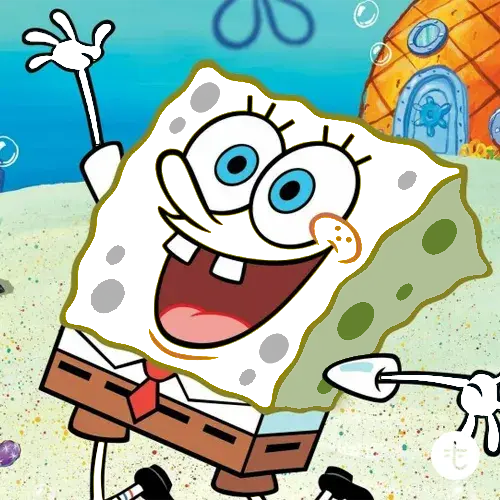
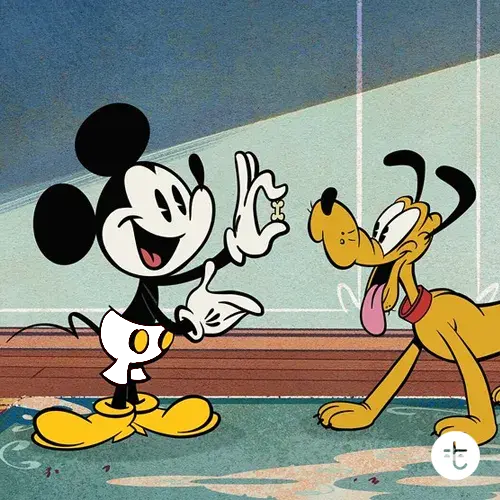
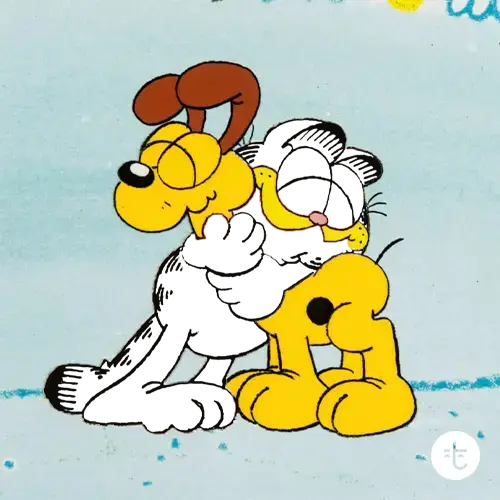
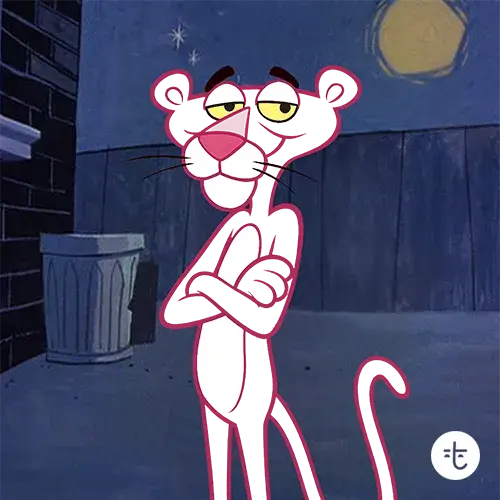
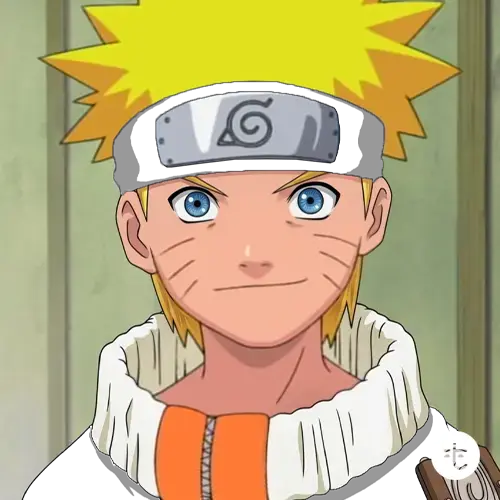
Best starter characters

Use these first when you want obvious color families and fast feedback on hue and brightness.

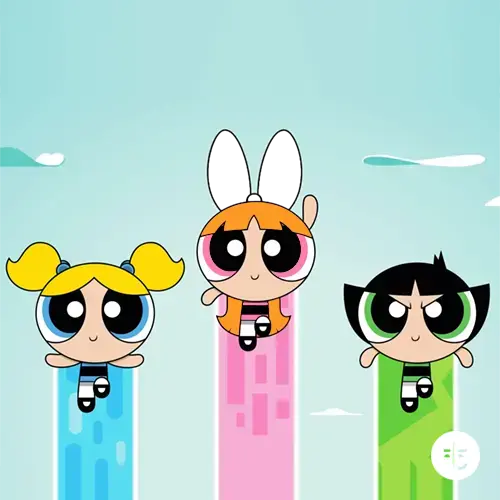
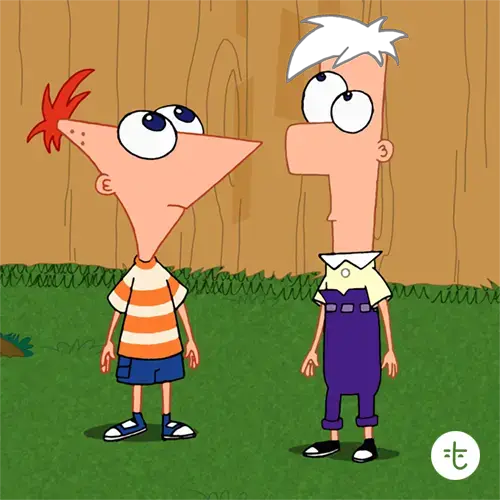
Best calibration characters

These prompts are still memorable, but the exact saturation or brightness is easier to misjudge.

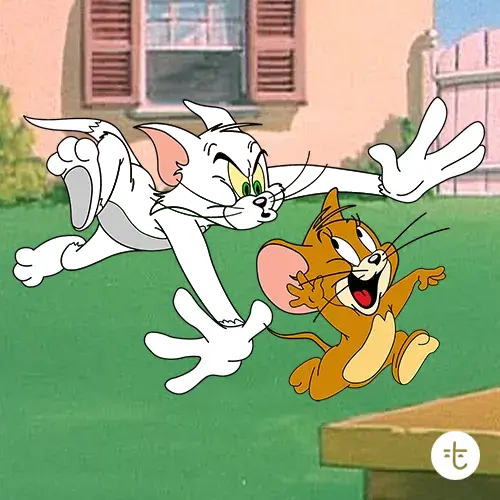
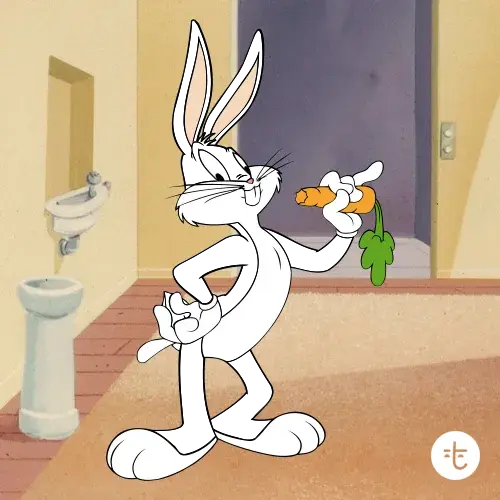
Best advanced memory checks

Use these when you want muted, darker, or lower-saturation targets that punish rough guesses.

How to practice the list

Start with hue

Pick the color family first. For strong cartoon colors, hue mistakes are usually more expensive than tiny brightness changes.

Tune saturation second

Many remembered toon colors are less saturated than they feel. Lower saturation before you make the shade too bright.

Use the reveal as feedback

After each prompt, compare your HSB values with the target and repeat a related character from the same difficulty band.

Practice FAQ

What makes a cartoon character good for color memory practice?

A good practice character has one recognizable target part, a color people can remember, and enough HSB detail to reveal a useful mistake.

Should beginners start with easy or hard characters?

Beginners should start with high-recognition colors, then move into muted grays, deep blues, and lower-saturation prompts.

How is this different from the full character library?

The library lists every prompt. This guide orders a smaller set into a practice path for improving color memory.