Blue character color guide

Blue cartoon characters

Blue cartoon characters cover much more than one standard blue. In Toon Tone, the playable set runs from BMO's blue-green shell and Scooby-Doo's teal collar to Gumball's bright cyan fur, Stitch's muted blue fur, and Sonic's deeper, highly saturated blue. This reference separates characters whose main design is blue from characters with one memorable blue detail, then gives every target a HEX value, an HSB reading, and a direct practice link.

Reviewed July 13, 2026

9 playable blue targetsHEX and HSB valuesTwo honest character groups

Which blue cartoon characters can you practice in Toon Tone?

Toon Tone currently includes nine blue targets: Stitch, Sonic, Gumball, BMO, Leonardo, Finn, Rick Sanchez, Scooby-Doo, and Naruto. Stitch, Sonic, Gumball, and BMO use blue across a large part of their design. The other five are included for a specific blue feature, such as an eye mask, shirt, hair, collar, or headband. Every card describes the exact part being measured so the list does not imply that every character is blue from head to toe.
Two useful ways to define a blue cartoon character

Search lists often mix fully blue characters with characters who are remembered for a blue accessory. That can be useful, but only when the distinction is visible. Toon Tone divides the playable targets into two groups so you know whether you are matching a broad body color or a smaller signature detail before opening a round.

Mostly blue character designs

Stitch, Sonic, Gumball, and BMO place blue across a large, immediately recognizable area of the design. Their rounds are good for comparing broad blue families because the target can read as teal, cyan, muted blue, or deep electric blue while still feeling unmistakably connected to the character.

Characters with a signature blue detail

Leonardo, Finn, Rick Sanchez, Scooby-Doo, and Naruto are not presented as entirely blue characters. Each card names the playable detail: Leonardo's eye mask, Finn's shirt, Rick's hair, Scooby-Doo's collar, or Naruto's headband. These prompts are useful because a small blue accent can be harder to remember precisely than a full blue silhouette.

Playable blue character colors, HEX, and HSB

The cards below use Toon Tone's practice targets rather than official studio specifications. Compare the hue first, then saturation and brightness. Open a card when you want to rebuild that exact shade with the game sliders and review the reveal values after your guess.

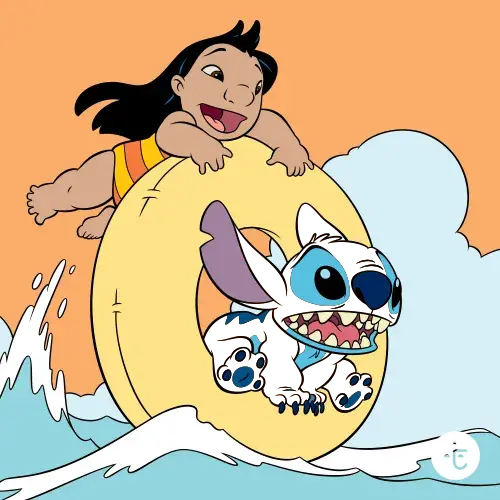
Stitch from Lilo & Stitch (2002)
Body Fur

Blue target #1

Stitch's Body Fur

Stitch is the muted-blue reference in this set. The moderate saturation and brightness make the fur less electric than memory often suggests.

List group
Mostly blue design
Target part
Body Fur
HEX
#5078a7
HSB
H212 S52 B65
Difficulty
medium
Source
Lilo & Stitch (2002)
Practice this blue shade
Sonic from Sonic the Hedgehog (1991)
Body Fur

Blue target #2

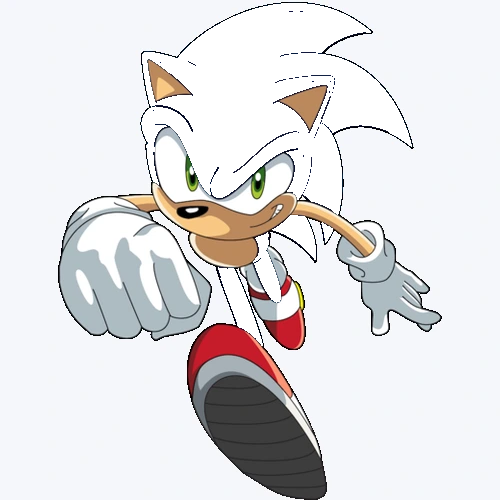
Sonic's Body Fur

Sonic provides the deeper saturated blue. The main challenge is keeping the hue blue without pushing brightness so high that it becomes cyan.

List group
Mostly blue design
Target part
Body Fur
HEX
#1155cc
HSB
H218 S92 B80
Difficulty
medium
Source
Sonic the Hedgehog (1991)
Practice this blue shade
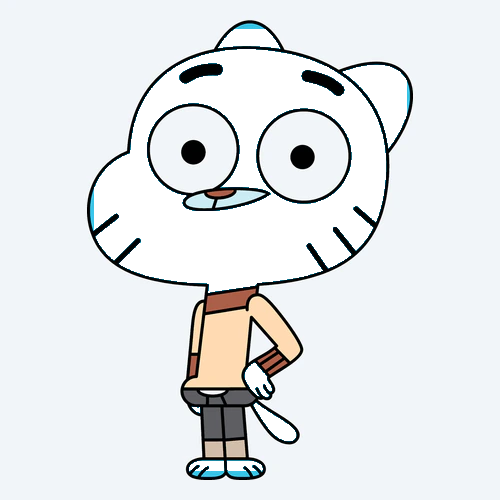
Gumball Watterson from The Amazing World of Gumball (2011)
Fur

Blue target #3

Gumball Watterson's Fur

Gumball sits in a bright cyan-blue range. His target is lighter than Sonic's and more saturated than Stitch's, making the three easy to compare.

List group
Mostly blue design
Target part
Fur
HEX
#3ac4e7
HSB
H192 S75 B91
Difficulty
medium
Source
The Amazing World of Gumball (2011)
Practice this blue shade
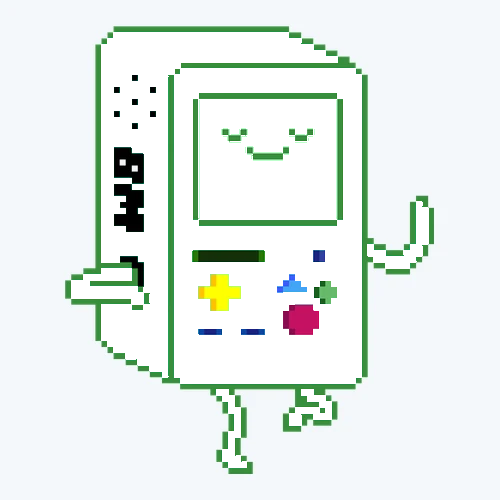
BMO from Adventure Time (2010)
Body Shell

Blue target #4

BMO's Body Shell

BMO is the blue-green edge case. Start near teal, then use moderate saturation and brightness instead of treating the shell as a pure primary blue.

List group
Mostly blue design
Target part
Body Shell
HEX
#56c8ad
HSB
H166 S57 B78
Difficulty
medium
Source
Adventure Time (2010)
Practice this blue shade
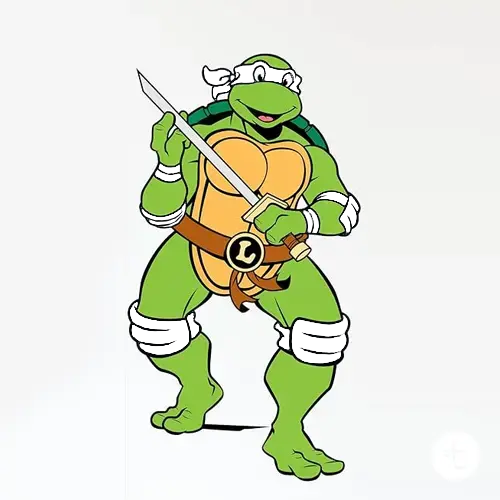
Leonardo from Teenage Mutant Ninja Turtles (1987)
Eye Mask

Blue target #5

Leonardo's Eye Mask

Leonardo's eye mask is a compact, vivid blue target. Because the area is small, hue recognition matters more than remembering a whole blue body.

List group
Signature blue detail
Target part
Eye Mask
HEX
#00a3e4
HSB
H197 S100 B89
Difficulty
medium
Source
Teenage Mutant Ninja Turtles (1987)
Practice this blue shade
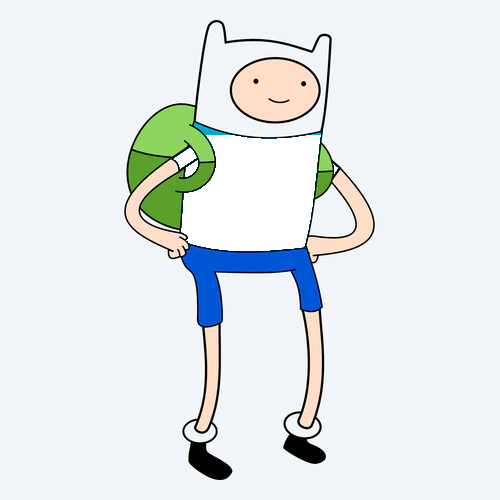
Finn the Human from Adventure Time (2010)
Shirt

Blue target #6

Finn the Human's Shirt

Finn's shirt is a bright cyan-leaning blue. High saturation makes it look simple, but a small hue shift quickly changes the familiar impression.

List group
Signature blue detail
Target part
Shirt
HEX
#00aad5
HSB
H192 S100 B84
Difficulty
easy
Source
Adventure Time (2010)
Practice this blue shade
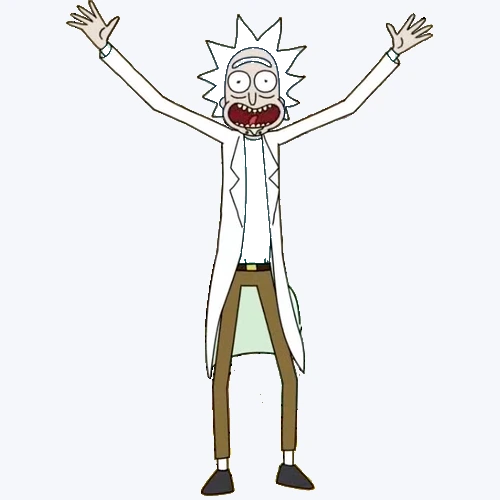
Rick Sanchez from Rick and Morty (2013)
Hair

Blue target #7

Rick Sanchez's Hair

Rick's hair is pale and low in saturation. It is a useful reminder that blue can stay recognizable even when the color is close to gray or white.

List group
Signature blue detail
Target part
Hair
HEX
#bdeaf2
HSB
H189 S22 B95
Difficulty
medium
Source
Rick and Morty (2013)
Practice this blue shade
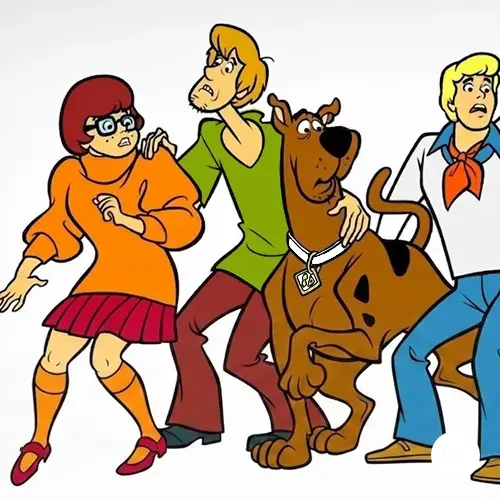
Scooby-Doo from Scooby-Doo, Where Are You! (1969)
Dog Collar

Blue target #8

Scooby-Doo's Dog Collar

Scooby-Doo's collar is the most teal-leaning target here. The lower brightness separates it from BMO's softer blue-green shell.

List group
Signature blue detail
Target part
Dog Collar
HEX
#28bbb0
HSB
H176 S79 B73
Difficulty
easy
Source
Scooby-Doo, Where Are You! (1969)
Practice this blue shade
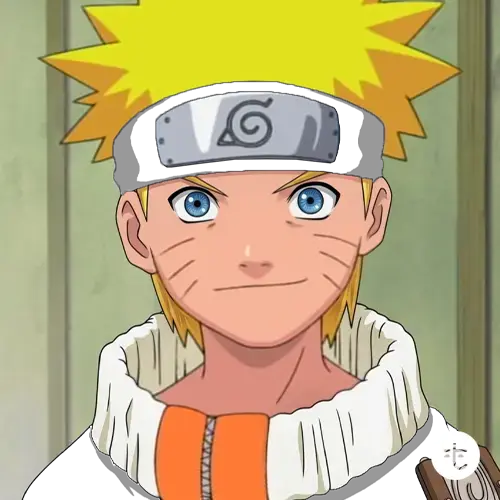
Naruto Uzumaki from Naruto (2002)
Headband

Blue target #9

Naruto Uzumaki's Headband

Naruto's headband is the darkest blue in the set. Keep brightness controlled after choosing the hue or the result will feel much lighter than the target.

List group
Signature blue detail
Target part
Headband
HEX
#073c7c
HSB
H213 S94 B49
Difficulty
hard
Source
Naruto (2002)
Practice this blue shade

How to compare and remember blue cartoon colors

A useful blue character list should help you see relationships, not just collect names. The following method uses the same HSB decisions as a Toon Tone round: locate the color family, judge intensity, judge lightness, and then compare the revealed values instead of relying on a vague label such as light blue or dark blue.

Start by locating blue between teal and violet

Hue is the first decision because the blue range has meaningful edges. BMO and Scooby-Doo lean toward teal, while Sonic and Naruto sit deeper in the conventional blue range. If you begin with saturation or brightness, a teal target can become a washed-out sky blue and a deep blue target can drift toward purple without you noticing the real source of the error.

Use the character name only as a memory cue. Ask whether the playable part feels greener, cleaner, or more violet than the middle of the blue slider. Then lock the hue and leave it alone for a moment. This creates a stable base for comparing Gumball's cyan-blue fur, Stitch's calmer blue, and Naruto's dark headband without turning every adjustment into a new guess.

Treat brightness as a separate memory test

Brightness is why two targets with a similar hue can feel completely different. Naruto's headband is dark, Gumball's fur is bright, and Rick's hair is close to the light end of the scale. If you remember only that all three are blue, the hue may be acceptable while the final color still looks unrelated to the prompt.

Tune brightness last and compare it against the page background as well as the character art. Dark blues can look more saturated than they really are, while pale blues can appear less colorful because so much white is mixed into the impression. The reveal values let you identify a repeated brightness bias across several rounds instead of treating each miss as random.

Blue cartoon character FAQ

Who are the mostly blue cartoon characters on this page?

The mostly blue group contains Stitch, Sonic, Gumball Watterson, and BMO because blue covers a large, recognizable part of each playable design. Leonardo, Finn, Rick Sanchez, Scooby-Doo, and Naruto appear in the separate signature-detail group because Toon Tone measures one blue accessory, garment, hair color, collar, or headband rather than an entirely blue body.

Which playable blue shade is darkest?

Naruto's headband is the darkest target in this nine-card set, with brightness at 49 in the Toon Tone HSB data. Rick Sanchez's hair is the brightest at 95, but it is also much less saturated. Looking at brightness and saturation together explains more than calling one shade dark blue and another light blue.

Are these official character color codes?

No. The HEX and HSB values are Toon Tone practice targets for the specific parts named on each card. They should not be treated as official studio, franchise, merchandising, or licensing specifications. The page keeps the target part and source visible so the practice context is clear.

How should I practice blue colors in Toon Tone?

Choose one teal target, one bright cyan target, one muted target, and one dark target. Set hue first, saturation second, and brightness last. After every reveal, write down which slider was farthest from the answer. Repeating that comparison across several distinct blue families is more useful than replaying only the easiest character.