IMAGE · 5/8 COLORS · PNG · CSS
Cartoon color palette generator
Upload an illustration, extract five or eight dominant colors locally, lock the useful swatches, and export HEX, RGB, and HSB values.
Generate a cartoon paletteToon Tone is a cartoon palette guessing game where you match iconic character shades from memory using hue, saturation, and brightness sliders. In Toon Tone, every round turns remembered character color into a precise HSB guess.
Match the color of
Prompt inspired by The Simpsons (1989)
Your selection
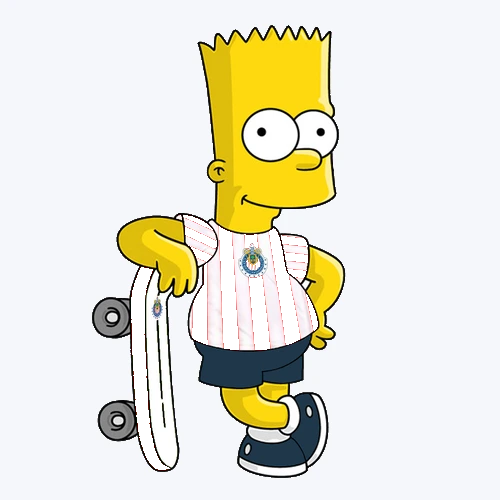
Original
IMAGE · 5/8 COLORS · PNG · CSS
Upload an illustration, extract five or eight dominant colors locally, lock the useful swatches, and export HEX, RGB, and HSB values.
Generate a cartoon paletteIMAGE · HEX · RGB · HSB
Upload a picture, sample an exact pixel, and save its HEX, RGB, and HSB values without sending the image to a server.
Pick a color from an imageIMAGE · RECOLOR · ALPHA · PNG
Click a color in a local image, control the matching range, preserve its shading, and download a transparent or recolored PNG.
Open the color replacerHEX · IMAGE · CSS NAMES · ΔE
Name a HEX value or image pixel with the nearest CSS keyword, five measured alternatives, and the closest Toon Tone character target.
Find this color nameHSB · HEX · RGB
Tune hue, saturation, and brightness while HEX and RGB values update together in one browser tool.
Open the HSB color pickerWHEEL · 5 RULES · CSS · PNG
Choose one HEX color, explore five wheel-based harmony rules, preview practical color roles, and export a reusable palette.
Build a color harmonyHEX · TINTS · SHADES · WCAG
Turn one HEX color into a practical tint-to-shadow scale with contrast readings, CSS variables, and a PNG export.
Generate color shadesWCAG 2.2 · AA · AAA · HEX
Test two HEX colors for WCAG AA and AAA, preview the pair, repair a failing foreground, and audit a complete palette matrix.
Check color contrastIMAGE · PROTAN · DEUTAN · TRITAN
Preview one image under three color-vision-deficiency models, compare details side by side, adjust the visual strength, and export a labeled PNG locally.
Simulate color visionCIEDE2000 · HEX · HSB
Compare two HEX colors with a free CIEDE2000 Delta E calculator, visual swatches, HSB channel differences, practical guidance, and clear limits.
Open the Delta E calculatorLatest article
Choose RGB while a design is meant for screens and keep an editable RGB master. Move a copy into the printer’s requested CMYK profile only when the final output, press condition, and proofing process are known.
The hook in Toon Tone is the memory test: you know what the character should look like, but the exact tone is harder to reproduce than the name of the shade. Toon Tone keeps each prompt specific, so a Toon Tone run feels like color memory practice instead of a generic picker.
Live board
Method, evidence, and editorial accountability
Toon Tone is a free browser game that asks you to rebuild one named cartoon shade before the answer appears. It records hue, saturation, and brightness, converts the guess and target to display colors, compares them with CIEDE2000, and returns a transparent 0–100 game score. The reveal remains visible so every result has an understandable next step.
A round begins with a character and one named part, not an unlabeled swatch. You set hue from 0° to 360° and saturation and brightness from 0% to 100%. After submission, the game converts both HSB triplets to display-oriented color values and calculates their CIEDE2000 distance. It maps a smaller distance to a higher round score with the published game rule score = round(100 − 2 × ΔE00), clamped to the 0–100 range.
Practice works best when each reveal changes one decision in the next round.
| Measure | Published value | What it means |
|---|---|---|
| Daily format | 5 rounds | The game uses five named targets in one daily result. |
| HSB controls | 3 channels | The controls separate hue, saturation, and brightness. |
| Input ranges | 0–360°; 0–100%; 0–100% | Every slider range appears beside its control. |
| Round and run scores | 0–100; 0–500 | The interface shows round feedback and the five-round total. |
| Localized routes | 8 languages | Equivalent pages are maintained in all supported locales. |
Toon Tone links measurement claims to primary standards or original research. Product counts and score ranges come from the released interface and scoring code; external specifications remain the authority for web color and accessibility thresholds.
The W3C CSS Color specification states:
“Hue is represented as an angle of the color circle.”
Toon Tone publishes limits because a precise number can still be misread. Toon Tone is an entertainment and practice tool.
Read how the site chooses sources, separates changing leaderboard submissions, and corrects published material, then open the Delta E calculator to inspect a pair of colors directly.
FAQ
Toon Tone is a browser-based cartoon palette guessing game. Each round names a familiar character and a specific target part, then asks you to rebuild that shade from memory with hue, saturation, and brightness sliders. It feels simple until you notice how much a remembered shade depends on brightness, saturation, screen memory, and tiny palette differences. Because each Toon Tone prompt is specific, your guess is judged against one target shade, not a vague idea like blue or yellow.
Yes. Toon Tone is free to play in the browser and does not require an account. You can start the daily Toon Tone five-round challenge, switch into endless practice, or share a seed link without signing in. The daily mode gives everyone the same prompt order, which makes scores easy to compare with friends. A name is only needed if you choose to submit a leaderboard score, and the site still works as a quick private practice tool without one.
Toon Tone scoring records your hue, saturation, and brightness guess, converts it into a comparable value, and measures how far it is from the hidden target. Close shades earn higher scores, while a wrong hue family, overly bright guess, or washed-out saturation drops faster. The reveal shows your HSB values beside the target values, so each miss teaches something useful. Many Toon Tone players discover that they picked the right hue but made the shade too vivid, too gray, or too dark.
Toon Tone uses classic character shade prompts because those palettes are memorable and easy to understand, but the challenge does not depend on copying original artwork. Toon Tone prompt sources and artwork handling are structured so entries can be reviewed, replaced, narrowed, or removed quickly. The core product is the palette memory challenge itself: read a prompt, rebuild a shade, compare the reveal, and improve your eye. Future prompt pools can move toward safer public-domain, original, creator-submitted, or licensed sets without changing the mechanic.